Debunking 5 Common Myths About Silicon Fertilizers in Agriculture
Separating Fact From Fiction About Silicon Fertilizers
Not every farming discussion ends with an answer. Ask about silicon fertilizers and someone will usually have a success story. Someone else will remember a disappointing season instead. The next conversation often sounds a little different again.
That's why silicon fertilizer myths never really disappear, and why silicon fertilizer facts vs myths still get mixed up today.
Why Silicon Fertilizer Myths Persist in Agriculture
Most farming advice has a story behind it. Someone tried a product once. Someone else followed a recommendation that worked well in a different crop. Before long, those experiences begin travelling from one farm to another.
What often gets left behind is the context. The source of silicon changes. The crop changes. The timing changes.
Even so, the advice usually stays exactly the same. That's one reason conversations around silicon nutrition agriculture can sound so different from one grower to the next.
Myth 1: All Silicon Fertilizers Work the Same Way
The Reality: It's easy to assume every silicon fertilizer works the same way. After all, if each product claims to supply silicon, the results should be similar.
The difference begins with the form of silicon itself. Plants can absorb silicon only when it's in bioavailable form.
Stabilized orthosilicic acid (OSA) is readily taken up by the plant, while products that contain silica or silicates may not provide silicon in the same way.
Most bioavailable silicon myths begin when every silicon source is expected to behave the same inside the plant. That's why the silicon source tells you much more than the percentage printed on the label, and why OSA vs silica myths continue to create confusion.
What ultimately matters is whether the crop can actually absorb and use it.
Myth 2: Silicon Is Only Useful for Cereal Crops
The Reality: The belief comes from where silicon research first gained attention. Rice and wheat showed the clearest response because they naturally accumulate more silicon, so they became the focus of early studies.
That doesn't mean other crops are left out. Fruits, vegetables, plantation, and cash crops can also benefit from stronger plant structure, better stress tolerance, and improved produce quality when supplied with plant-available silicon, such as orthosilicic acid.
Myth 3: More Silicon Application Always Means Better Results
The reality: It's a common assumption with many farm inputs: if a little helps, more should help even more.
Silicon doesn't work that way. Once the crop receives what it can effectively use, increasing the dosage won't necessarily improve results and may even affect the balance of nutrients like zinc or phosphorus.
In practice, the biggest gains come from applying the right amount at the right stage, allowing crops to fully benefit from orthosilicic acid (OSA) rather than simply applying more.
Myth 4: Silicon Fertilizers Can't Be Mixed With Pesticides
The Reality: One unsuccessful tank mix is often enough for someone to decide that silicon fertilizers don't mix well with anything else. The story then gets passed around long before anyone asks what was actually in the spray tank.
In many cases, the issue isn't silicon itself. It comes down to the formulation and the products being mixed together.
A quick jar test before spraying usually answers that question better than guesswork, and a well-formulated orthosilicic acid (OSA) product often makes tank mixing more dependable.
Myth 5: You'll See Results Immediately After One Spray
The Reality: Many growers expect to notice a difference after the first spray. That's understandable, and it's one reason people still ask, does silicon fertilizer really work? But, silicon doesn't work like a quick stimulant.
Its role begins only after the plant absorbs it. As silicon gradually becomes part of the plant's tissues, it helps strengthen cell walls from within.
That's why the biggest changes aren't usually immediate. Better stress tolerance, improved disease resilience, and stronger overall crop performance tend to develop over a consistent application programme. The benefits of orthosilicic acid (OSA) become much more noticeable as the crop grows, not after a single spray.
What Farmers Should Actually Focus On Instead of Myths
The discussion doesn't have to begin with the myths. It can begin with a few practical questions.
Is the silicon in a plant-available form? Does it suit your crop and its current growth stage? Are you following the recommended application programme?
Those answers usually have a much greater influence on field performance than the myths surrounding silicon fertilizers. That's where the silicon fertilizer benefits truth becomes much clearer.
Conclusion: Separating Fact From Fiction in Silicon Nutrition
Once the crop is in the field, the conversation slowly changes. Growers spend less time debating silicon fertilizers and more time comparing what actually worked. That's often where silicon fertilizer facts vs myths become easier to separate.
The source of silicon, the timing of the application, and the quality of the formulation usually explain far more than the stories passed around during the season.
The same goes for choosing an orthosilicic acid (OSA) manufacturer.
More Blogs
View All →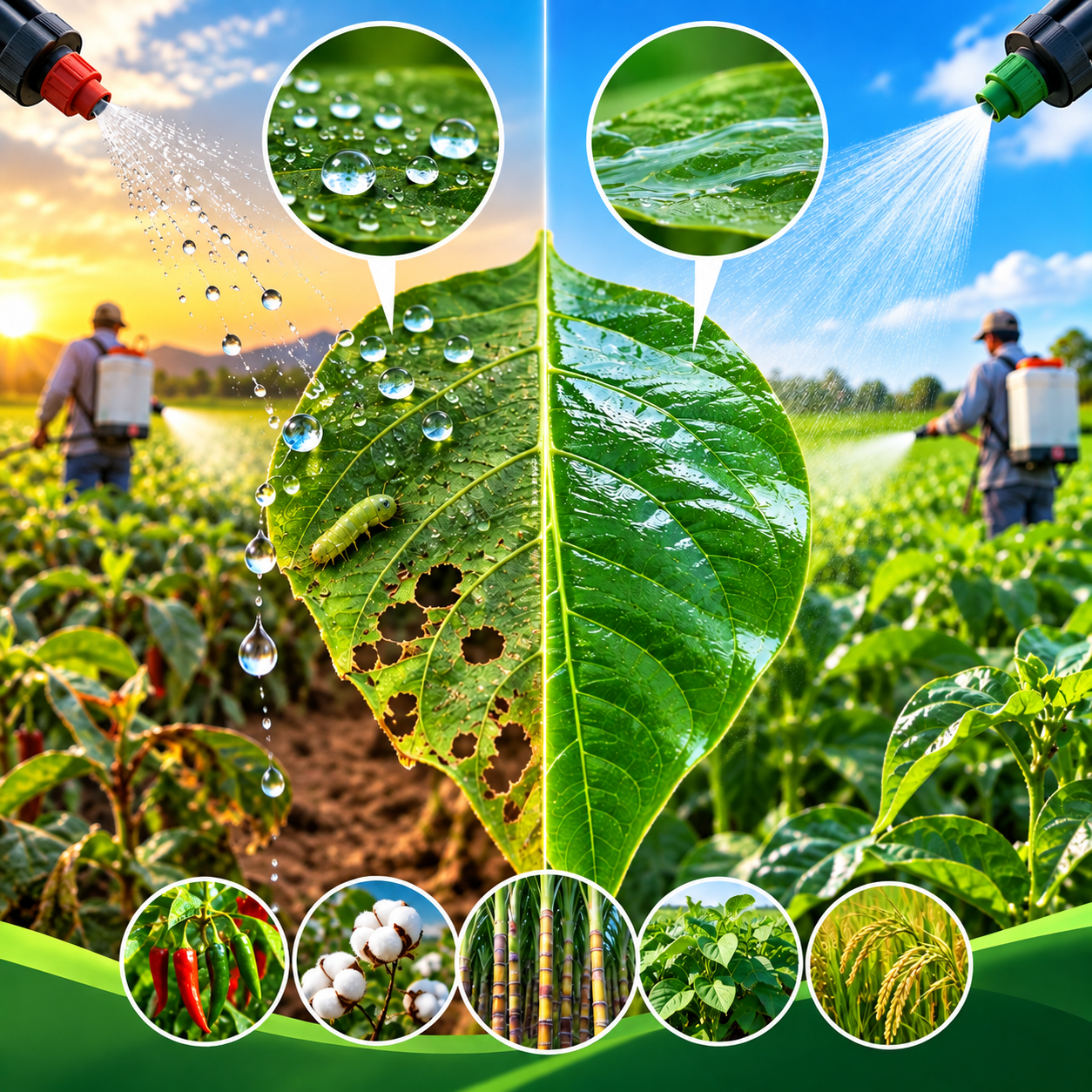
The Adjuvant Mistake That's Costing Farmers Every Spray Cycle

The Farmer's Timing Guide: When OSA Actually Works Best

How to Reduce Foam in Paint: The Hidden Cost of Bad Mixing

Foliar Spray Guide: How to Apply Fenosil OSA for Maximum Uptake
OSA for Rice Cultivation: A Season by Season Application Guide
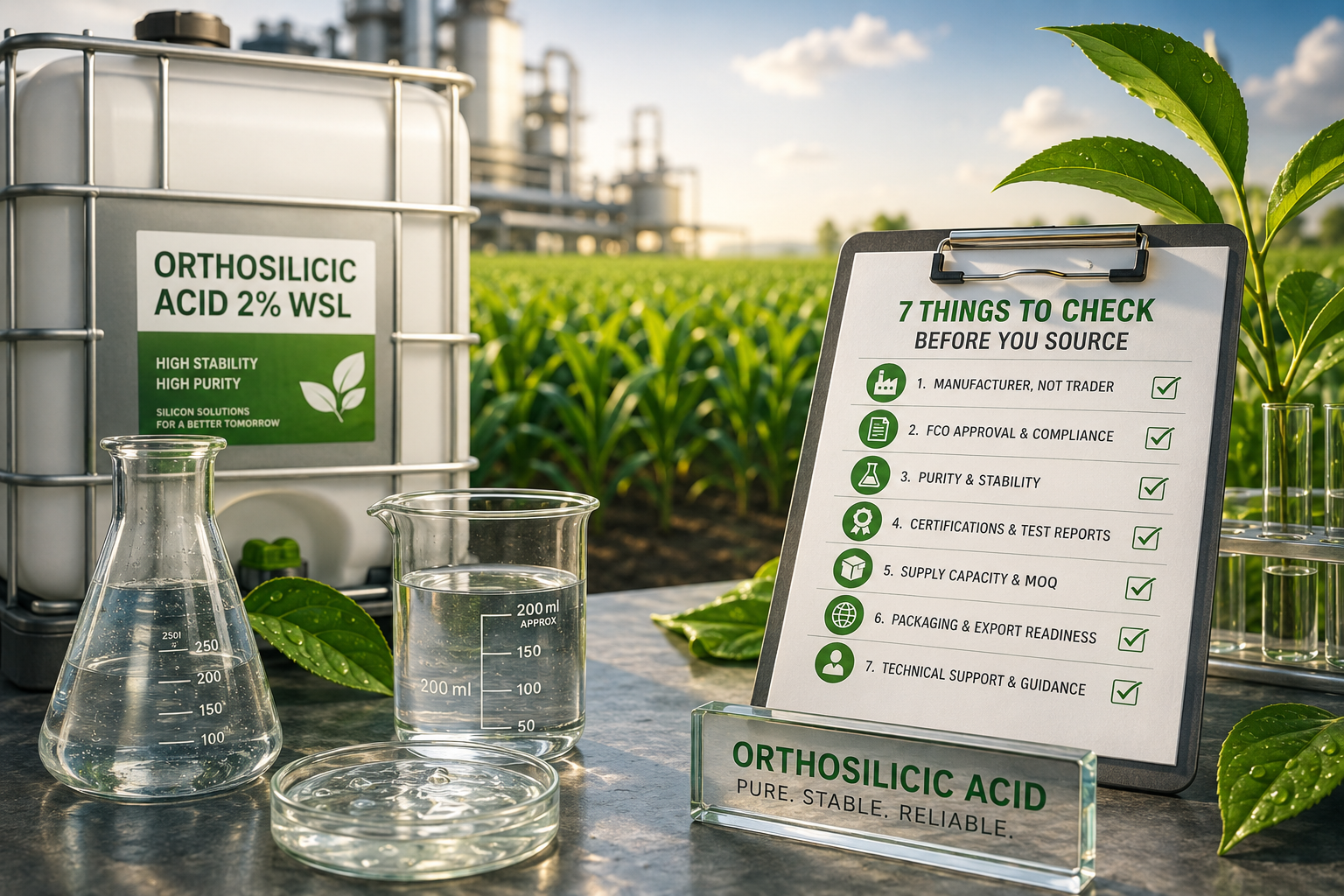
Orthosilicic Acid Manufacturer in India: 7 Things to Check Before You Source
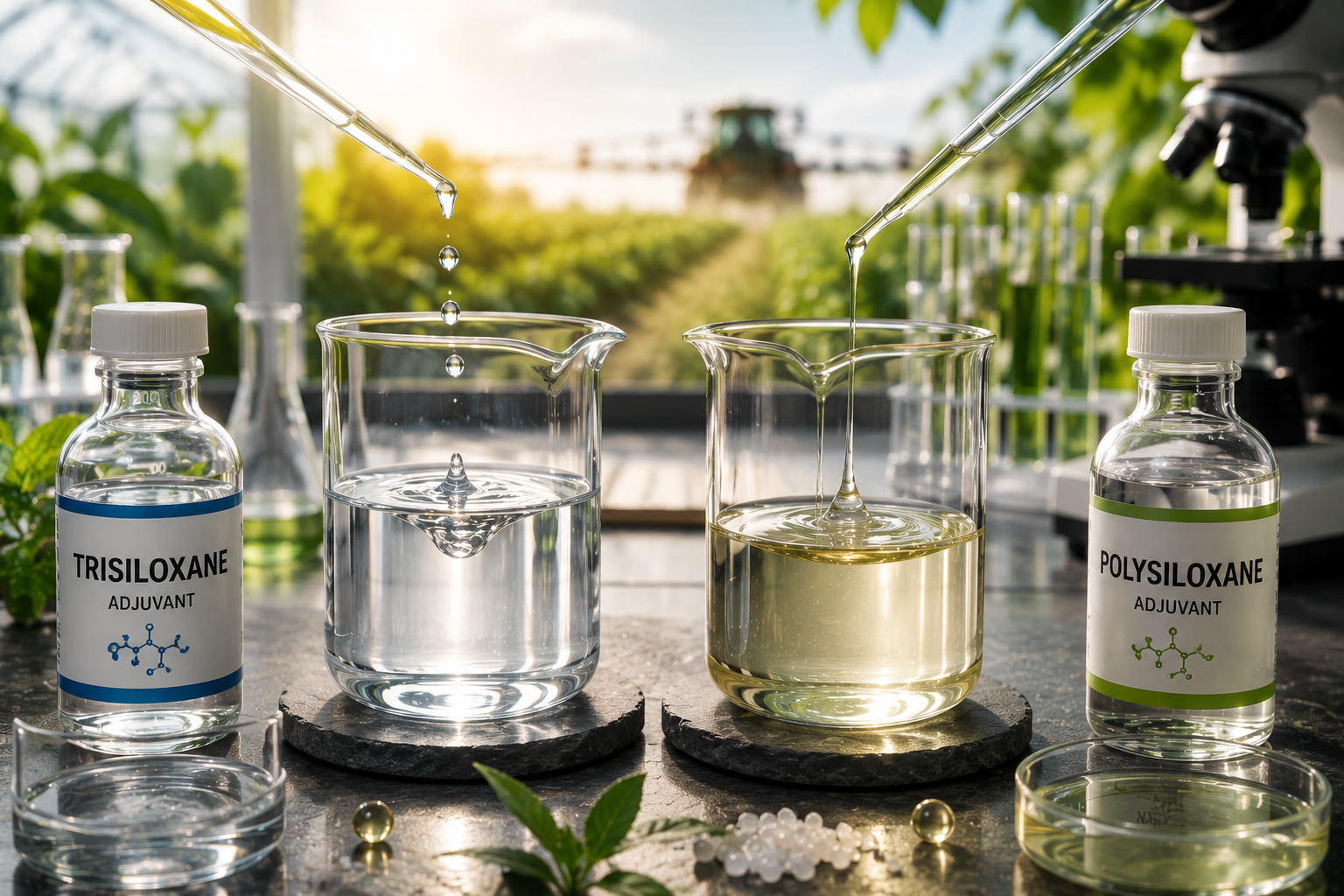
Trisiloxane vs Polysiloxane Adjuvants: Technical Differences Every Formulator Must Know