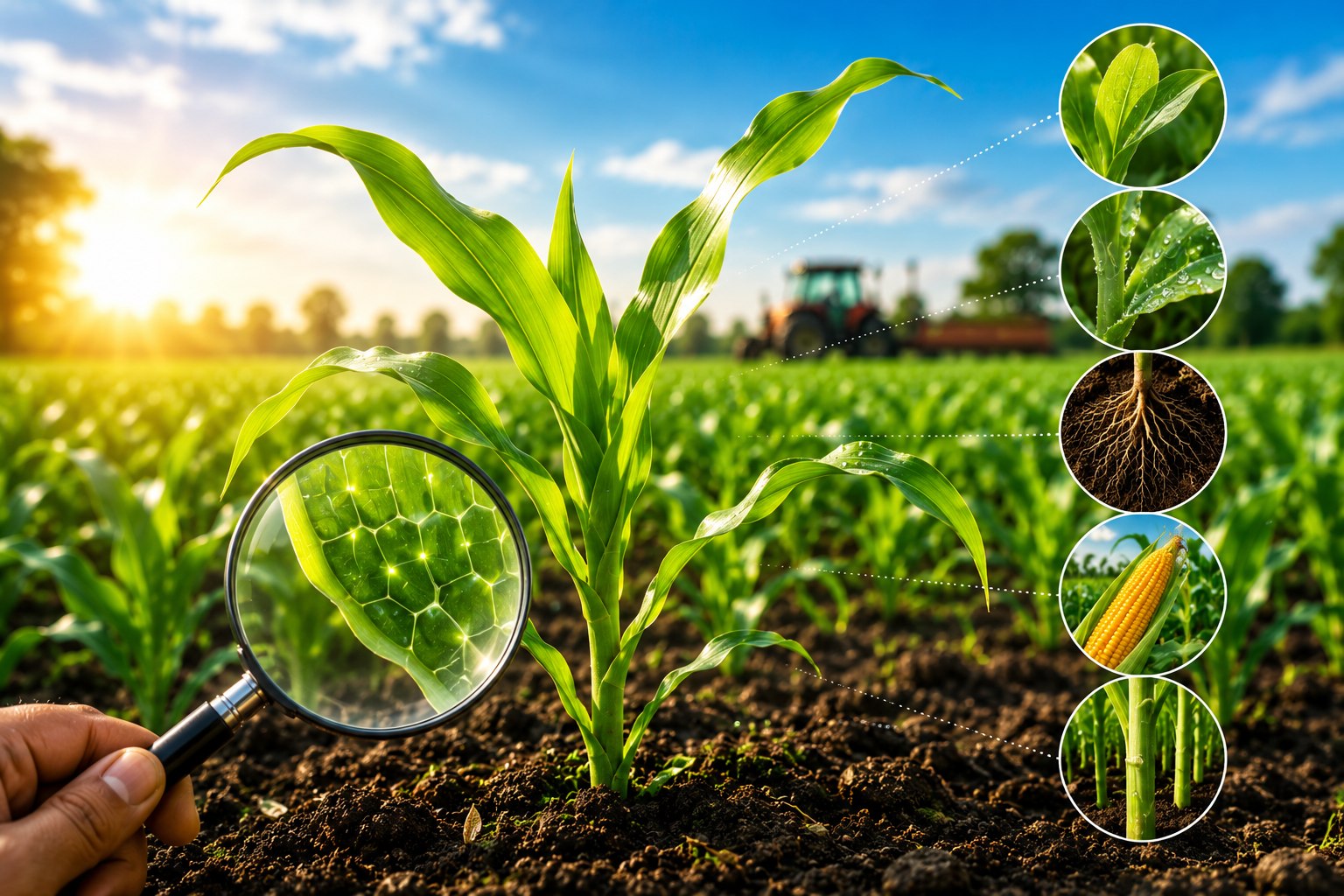
OSA for Sugarcane: Delivering Silicon for Stronger Stalks and Better Recovery
Why Sugarcane Falls Over and How Silicon Fertilizer Helps
A storm hits two weeks before cutting, and half the field is lying flat the next morning. Every cane farmer knows this scene. Most growers have been facing the problem for years.
After a storm like that, you hear the same thing in every village. Bad weather, nothing we could do. But walk over to the next farm. The storm hit that too, but the majority of the cane is still standing. The cane that falls is usually weaker from inside.
A fallen cane is a headache from every side. It's slow to cut. It's slow to load. The sugar inside often turns out lower too.
So where does the weakness come from? 90% of the time it’s due to silicon. The plant couldn't get enough of it to build a stalk that could hold its own weight.
Why Silicon Matters for Sugarcane?
Walk through any cane field and you'll see the same thing. Tall stalks, heavy tops, standing there for ten months or more before they're ready to cut.
Cane stays in the field for ten months, sometimes more. All that time, the top keeps getting heavier, and the plant has to hold it up on its own.
Silicon for sugarcane makes the cane strong from inside, so it doesn't bend or fall easily. Think of the iron rods (saria) inside a column. You can't see them, but the column stays strong and holds strength because of them.
Here's the strange part though. Most soil already has silicon in it. The plant just can't get to most of it.
You Need Orthosilicic Acid (OSA): The Only Bioavailable Form of Silicon
Silicon in ordinary soil is locked up tight, stuck inside hard mineral particles that a root can't break into. It takes years of natural weathering before even a little of it becomes usable, and by then it's too slow to help a growing crop.
Orthosilicic acid skips all of that. It's already small enough and soft enough for a root to pull in straight away, no waiting around.
That's the whole reason orthosilicic acid for sugarcane works where plain soil silicon falls short. OSA for sugarcane gets absorbed fast, not years from now.
How OSA Builds Stronger, Lodging-Resistant Stalks
Once a plant takes in OSA, it moves up through the stalk and gets built right into the cell walls, like bricks going into a wall as it's built. The stalk thickens. The outer rind toughens up too.
That's the real story behind sugarcane lodging control, a stalk that can actually take a hit from wind and rain instead of folding over. A tougher rind pays off in another way as well.
Stem borers and rot have a much harder time getting inside. Run a proper silicon fertilizer for the sugarcane program, and you're basically giving the crop armor before trouble ever shows up.
How OSA Helps Improve Sugar Recovery?
Here's the part most farmers never connect. A stronger stalk means the leaves stand upright instead of drooping over each other. Upright leaves catch more sun. More sun means the plant makes more sugar, plain and simple.
There's a second piece too. A well-fed plant tends to hold onto that sugar instead of losing it before the cane gets cut.
That's what sits behind better sugarcane sucrose recovery at the mill. The exact gain shifts by variety and by field, but the basic pattern holds up across most cane.
How to Apply OSA on Sugarcane?
Timing counts as much as the dose. The first spray goes on around 45 to 60 days after planting. The plant is still young at that point. Roots are spreading, and the stalk has only just started to form. That's the stage where OSA helps the most.
Spray again during the grand growth stage, 90 to 120 days in, right when the plant is shooting up fast and needs the most support. Fenton's standard dose runs 2 ml per litre of water, every 15 days, for about six months straight.
Mixing in a wetting agent helps it stick to the cane's waxy leaves instead of running off. Go easy on that extra product though. Too much, especially under strong afternoon sun, can scorch the leaf instead of helping it.
What to Look for in an OSA Manufacturer?
Not every OSA bottle on the shelf stays good until you use it. Some lose their strength long before they ever reach a field. Check for FCO approval first, since that's required for any fertilizer sold in India.
ISO 9001:2015 certification is another good sign to look for. So is a Certificate of Analysis with every batch, real proof of what's inside, not just a number printed on the label. A dependable orthosilicic acid manufacturer in India should hand over all of this without making you ask twice.
Let’s Build Stronger Sugarcane with Silicon!
Weak stalks, pest damage, low sugar recovery. They usually trace back to the same missing piece: silicon the plant can actually use.
Fenton Chemical's Orthosilicic Acid 2% WSL is built for a full cane season, start to finish, with batch records and dosage support included.
If you have more queries, connect with our experts to work out a plan for your own field.
More Blogs
View All →
Is Your Super Spreader Burning the Crop? Signs of Overdose and Safe Limits
The Silicon Toolkit for Modern Crops: Where OSA and Spreaders Each Fit

Matte, Gloss, Durable: How Additives Shape Paint Performance
The Adjuvant Mistake That's Costing Farmers Every Spray Cycle

The Farmer's Timing Guide: When OSA Actually Works Best

How to Reduce Foam in Paint: The Hidden Cost of Bad Mixing
Foliar Spray Guide: How to Apply Fenosil OSA for Maximum Uptake