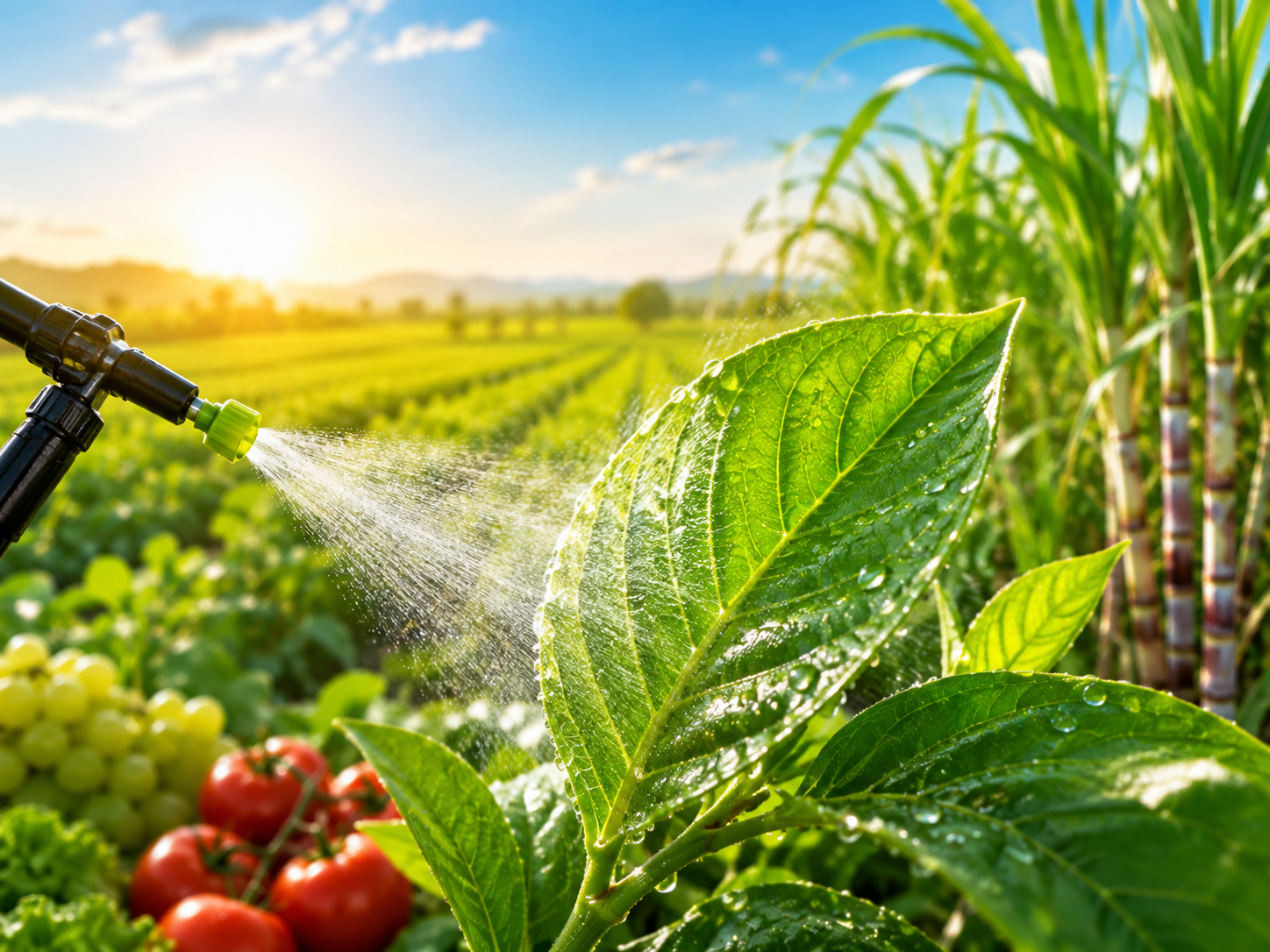
The Secret to Perfect Spray Coverage: Silicon Super Spreaders
What Creates Effective Spray Coverage on Plant Leaves?
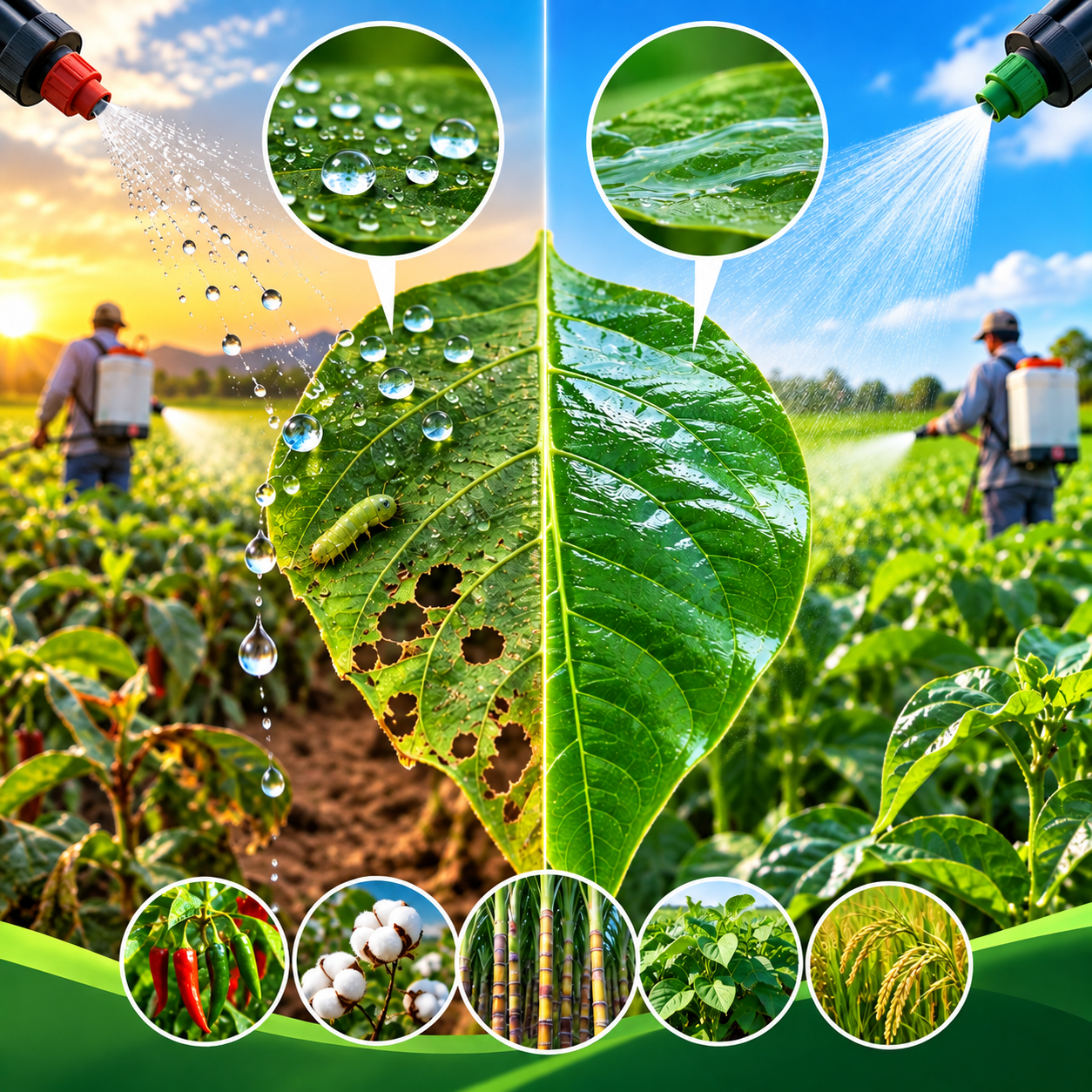
Ever noticed how spray droplets bead up and roll off leaves instead of sticking where they matter most? That’s actually not wasted effort, rather it’s wasted yield. Now let’s talk about Modern Farming, achieving uniform spray coverage is one of the biggest challenges that this industry is facing these days. This is exactly where silicon super spreader technology steps in, which turns ordinary sprays in top performing crop treatment.
What Are Silicon Super Spreaders?
It’s definitely a next generation super spreader surfactant agriculture that relies on efficient spraying. Unlike other conventional wetting sprays, these surfactants dramatically reduce surface tension that allows droplets to spread instantly on leaves surfaces. Imagine the results? Better contact, better absorption and therefore better results.
Now let’s dive into its chemical composition.
The core lies in organosilicone polyether modified trisiloxane, it’s basically a powerful compound for ultra fast speeding. This chemical composition explains why agricultural spray adjuvants based on silicon is far better than traditional surfactants by a wide margin.
Why Do Spray Applications Fail?
The reasons are many and obvious:
1. Waxy Leaf Surfaces: Many crops have waxy, water-repellent leaves that prevent sprays from sticking, which causes poor pesticide and nutrient uptake.
2. Environmental Factors: Wind, heat, low humidity and what not, leads to dry droplet reducing their effectiveness even before absorption begins.
3. Uneven Distribution: Without proper spreading agents, sprays collect in patches, leaving untreated zones inviting pests.
How Silicon Super Spreaders Improve Spray Efficiency
1. Spreading actions- They help improve spray coverage in crops by thinning droplets and leading them to get inside leaves even better. Plus it helps reduce spray runoff on leaves, making sure the solution stays intact at the exact same spot.
2. Penetration- By improving leaf contact, these surfactants enhance pesticide efficiency and support faster nutrient entry into plant tissue. This is surely the most essential step in foliar spray optimization agriculture
3. Optimised dosage- Last but not the least, farmers can achieve superior results with the right silicon surfactant dosage per litre.
Combining Silicon Technologies for Better Results
Using silicon super spreader alongside orthosilicic acid Si(OH)4 for plants creates a winning combination. On one hand, these spreaders improve delivery, orthosilicic acid strengths cell walls, improves nutrient uptake, and boosts plant resistance to stress.
Key Benefits for Farmers
- Improved performance of pesticides and foliar nutrients
- Lower spray volume with higher effectiveness,
- Stronger, healthier crops with better stress tolerance
- Minimal wastage with uniform leaf coverage
Conclusion: A Smarter Approach
Let’s not jump to a conclusion that spraying more is efficient, cause it’s not. Silicone super spreaders make every drop count, transforming ordinary sprays into super impactful solutions.
More Blogs
View All →
OSA for Sugarcane: Delivering Silicon for Stronger Stalks and Better Recovery
Is Your Super Spreader Burning the Crop? Signs of Overdose and Safe Limits
The Silicon Toolkit for Modern Crops: Where OSA and Spreaders Each Fit
Matte, Gloss, Durable: How Additives Shape Paint Performance
The Adjuvant Mistake That's Costing Farmers Every Spray Cycle

The Farmer's Timing Guide: When OSA Actually Works Best

How to Reduce Foam in Paint: The Hidden Cost of Bad Mixing