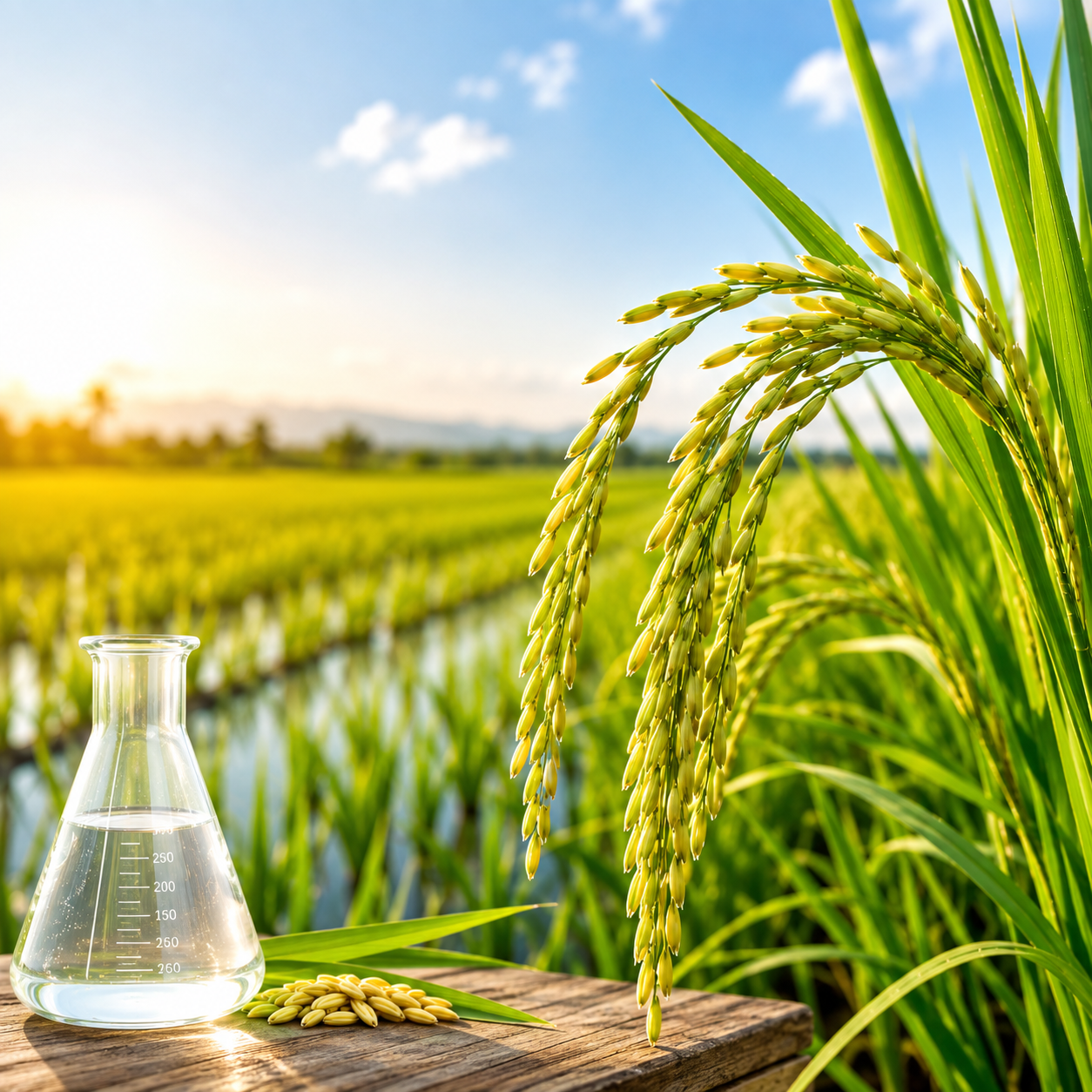
Bioavailable Silicon: Unlocking the Power of Orthosilicic Acid for Plant Growth
Why Bioavailable Silicon Matters for Crop Development
Silicon (Si) is a beneficial nutrient for plants, improving their structural integrity, stress resistance, and overall health. However, not all forms of silicon are bioavailable. Most silicon found in soil is locked in insoluble compounds like silica (SiO₂) or silicates, making it unusable for plant uptake.
The only form that plants can absorb is Orthosilicic Acid (OSA), a water-soluble silicon compound. This blog explores how OSA enhances plant growth, improves stress tolerance, and why it is the most effective silicon source in agriculture.
A. Understanding Bioavailable Silicon
Silicon is the second most abundant element in the Earth's crust, yet most of it is not accessible to plants. Orthosilicic acid (H₄SiO₄) is the only soluble and bioavailable form of silicon that plants can take up through their roots.
B. Benefits of Orthosilicic Acid for Plants
1. Strengthens Plant Cell Walls
Silicon from OSA is deposited in cell walls, making them more rigid and resistant to mechanical stress. This helps:
- Reduce lodging in cereals like rice and wheat
- Improve structural strength in leafy greens and fruiting crops
2. Enhances Resistance to Drought & Heat
OSA-treated plants:
- Retain more moisture in tissues
- Reflect excess sunlight, preventing heat stress
- Maintain turgidity under drought conditions
3. Improves Pest & Disease Resistance
- Toughened cell walls make it harder for insects to chew through leaves.
- Silicon boosts natural plant defense mechanisms, reducing fungal infections like powdery mildew and rust.
4. Boosts Nutrient Absorption & Soil Health
OSA enhances the uptake of essential nutrients such as:
- Phosphorus (P) – Promotes root and flower development
- Potassium (K) – Improves water retention and fruit quality
- Calcium (Ca) – Strengthens cell walls further
5. Protects Against Heavy Metal Toxicity
Silicon binds with toxic metals like aluminum, cadmium, and arsenic, preventing their absorption by plants. This is especially crucial in contaminated soils.
C. Common Formulations of OSA Fertilizer
Orthosilicic acid fertilizers are commonly available as 2% WSL (water-soluble liquid), stabilized OSA concentrates, and chelated OSA blends, each designed to improve silicon availability for different crop nutrition needs.
D. Orthosilicic Acid Fertilizer vs Conventional Silicon Fertilizers
Orthosilicic acid fertilizers provide silicon in a highly bioavailable form that plants can absorb directly.
In comparison, potassium silicate, sodium silicate, silica gel, and rice husk ash contain less readily available silicon, resulting in slower uptake and lower nutrient utilisation.
E. Choosing the Right OSA Fertilizer for Your Crop
When selecting an orthosilicic acid fertilizer, consider:
- Concentration: Ensures effective silicon delivery to plants.
- Formulation Stability: Maintains product performance during storage and application.
- Tank-Mix Compatibility: Allows safe mixing with compatible crop protection products and fertilizers.
F. Silixol and Other Orthosilicic Acid Fertilizers: What to Look For?
If you're exploring Silixol for fertilizer applications or comparing it with other orthosilicic acid fertilizers, understanding formulation quality, stability, and manufacturer support can help you make a well-informed decision.
G. About Silixol Fertilizer
Silixol is a stabilized orthosilicic acid (OSA) fertilizer from Privi Life Sciences containing 2% OSA. It is commonly applied to cereals, pulses, oilseeds, fruits, vegetables, plantation crops, and sugarcane through foliar spray or fertigation, with a recommended dosage of 500–1000 ml per acre, depending on the crop and application method.
H. How to Evaluate an Orthosilicic Acid Fertilizer Before Purchase?
Before purchasing an orthosilicic acid fertilizer, verify the OSA concentration, formulation stability, tank-mix data, manufacturer credentials, and the availability of MSDS and technical support.
These factors help assess product reliability, compare OSA formulations objectively, and make a more informed purchasing decision.
I. Alternatives to Silixol in the Indian Market
Besides Silixol, several Indian manufacturers now produce high-purity stabilized OSA formulations for different crops.
As the market expands, growers can compare formulation quality, technical documentation, and manufacturer support before making a decision.
Fenton Chemicals' Orthosilicic Acid is one such formulation that reflects this growing focus on high-purity OSA.
J. How to Apply Orthosilicic Acid in Farming?
1. Soil Application
Mixing OSA-based fertilizers into soil enhances silicon availability for plant roots.
2. Foliar Sprays
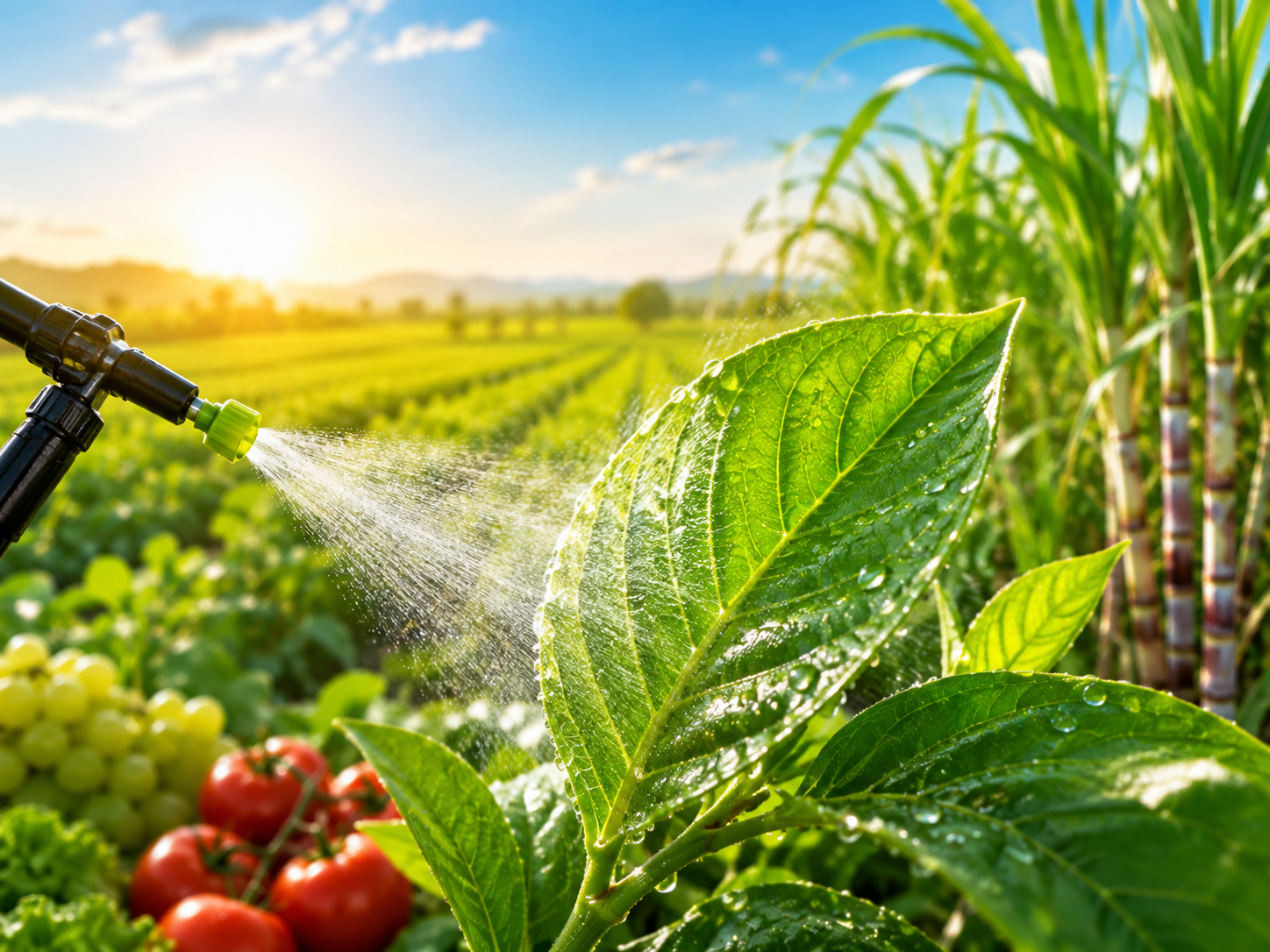
Silicon foliar applications deliver OSA directly to leaves, increasing absorption efficiency.
3. Hydroponic Systems
OSA is highly effective in hydroponics, where silicon deficiencies are common due to the absence of soil minerals.
K. What Does Silica Do for Plants?
Orthosilicic acid for plants refers to the bioavailable form of silica (H₄SiO₄) that supports healthy crop growth by:
- Strengthening plant cell walls.
- Improving drought and pest resistance.
- Enhancing nutrient uptake, particularly phosphorus.
- Increasing crop yield and produce quality.
- Improving overall plant vigour and resilience against environmental stress, while supporting consistent growth across different crop stages and challenging field conditions.
Conclusion
Orthosilicic acid is the key to unlocking silicon’s full potential in plant growth. As the only bioavailable form of silicon, OSA strengthens crops, enhances resilience against stress, and optimizes nutrient uptake. By incorporating OSA-based supplements, farmers and growers can improve their crop quality, yield, and sustainability.
More Blogs
View All →
The Silicon Toolkit for Modern Crops: Where OSA and Spreaders Each Fit

Matte, Gloss, Durable: How Additives Shape Paint Performance
The Adjuvant Mistake That's Costing Farmers Every Spray Cycle
The Farmer's Timing Guide: When OSA Actually Works Best

How to Reduce Foam in Paint: The Hidden Cost of Bad Mixing
Foliar Spray Guide: How to Apply Fenosil OSA for Maximum Uptake
Debunking 5 Common Myths About Silicon Fertilizers in Agriculture